Is Your Child Experiencing Emotional Outbursts?
Read Time:
3.1 minutes
Categories:
Share This:
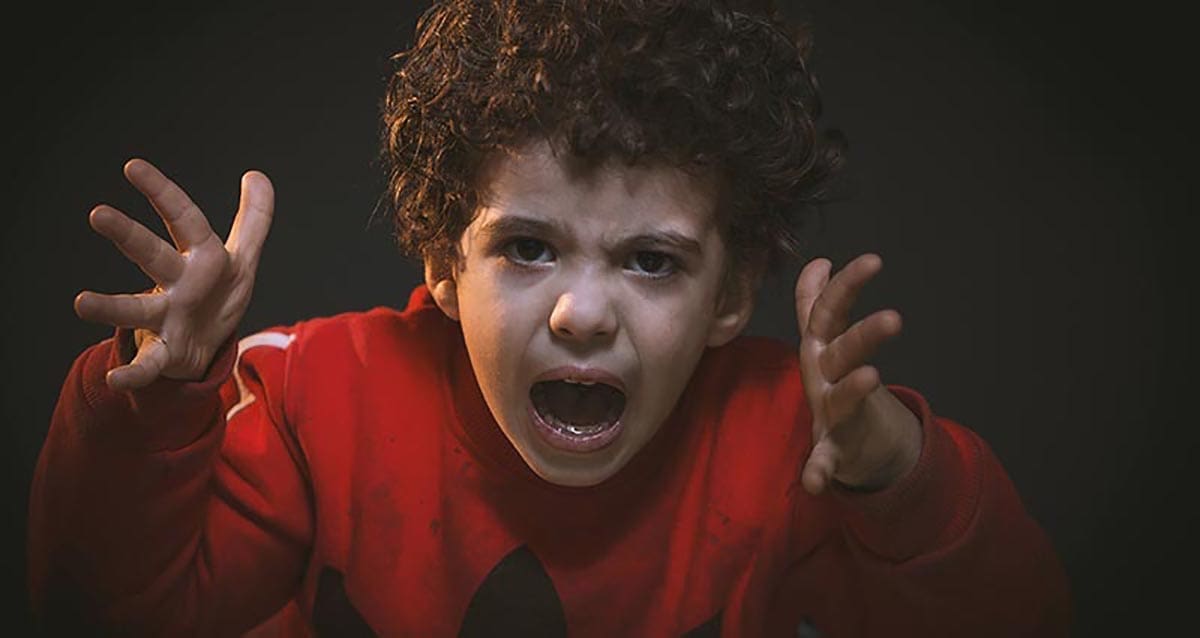
As fellow parents, we’re here to tell you that we get it! Those tantrums in the middle of the grocery store are downright embarrassing at times. Yet, we know that they’re normal, and no parent goes unscathed when it comes to dealing with emotional outbursts, even at the most inappropriate times.
Kids lash out for so many different reasons. Sometimes, they’re frustrated and don’t know how to communicate their feelings. Other times, they’re downright defiant, pushing your buttons and testing the limits they can go to before punishment. No matter how frustrating it can be for us parents, it’s important to remember that child anger issues are normal and can be healthy when expressed in a socially appropriate way.
Why Kids Have Outbursts
The younger the child, the harder it is to pinpoint the exact emotion they are trying to express through an outburst. While tantrums and emotional outbursts are an expected part of development, repeated temper outbursts could point to a more severe underlying mental health issue.
Children under distress are more likely to have repeated outbursts, especially if parents and adults don’t communicate and stay calm while figuring out what is causing the distress. It’s vital as a parent to understand what’s triggering your child’s emotional outbursts so you can make changes to their environments or even your own behavior towards them.
Some underlying issues to an outburst might include:
- Hunger, fatigue, or overstimulation
- Your child feels powerless
- A feeling of being disconnected or unheard
- Hurt feelings
- Displacing the anger, altogether
- You’ve invalidated their boundaries or feelings
- Feelings of anxiety
- Unmet wants or needs
- They’re unable to verbalize what they want
Helping Your Child
There’s no question that your child is their own person, and as they grow, they’re navigating their wants, needs, and emotions. However, they don’t always have the communication skills or vocabulary to express themselves outside of just letting it all boil over into the middle of the floor while they cry. As a parent, you might feel like you want to join them sometimes, but you must remember you have the capabilities to figure out what is wrong. So, if you’re looking to help your child through their outbursts and want to teach them more healthy manners of coping, there are some things you can do.
First, you should try to identify triggers that are causing your child to meltdown emotionally. This could be anything that makes them angry or sad in an instant. If you go from a happy child to a child screaming in anger in a matter of seconds, take a look around or think about your own behavior, identify the patterns, and then make changes where you can.
You should also be consistent in your response to every outburst. Your response dramatically affects the likelihood of the fit happening again. You should remain calm, ignore the behavior, give positive praise, and wait to talk until their emotions have all been released. Remember, your child is no different than you; they need you to show them how to navigate their feelings and express themselves with words rather than negative behaviors, like an outburst.
Therapy Can Help
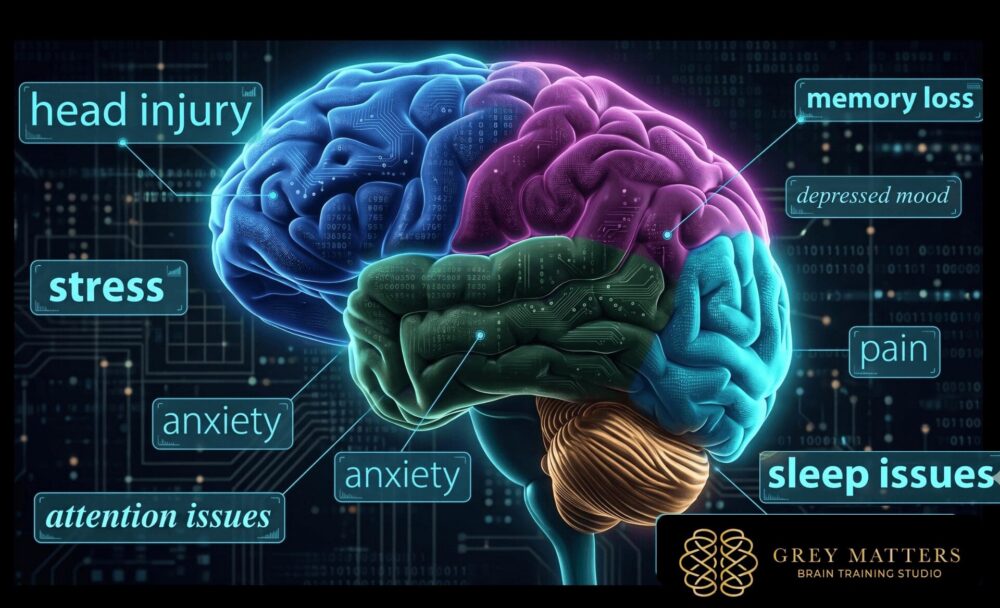
If you’re not sure what’s causing your child’s outbursts or you’re having a hard time communicating with them, then it might be time to find out what’s happening in that little brain of theirs. Bring them to Grey Matters of Carmel, where we can create a brain map and see what lights them up—literally. Once we know their triggers, we can use our neurofeedback therapy to help them navigate their emotions and rewire the neural pathways affected by the triggers. Contact us today to get started!