How Gut Health Impacts Behavior, Emotions, and Focus — Especially in Kids
Read Time:
3.5 minutes
Share This:
Why the Gut–Brain Connection Matters More Than You Think
If you’ve ever noticed your child’s behavior get worse when they’re constipated…
or watched their mood crash when they’re hungry…
or wondered why anxiety and stomach aches seem to show up together…
You’re not imagining it.
There is a direct physiological connection between the gut and the brain, and this connection can dramatically influence:
- emotional regulation
- attention and focus
- irritability
- impulsivity
- sleep
- appetite
- overall mood
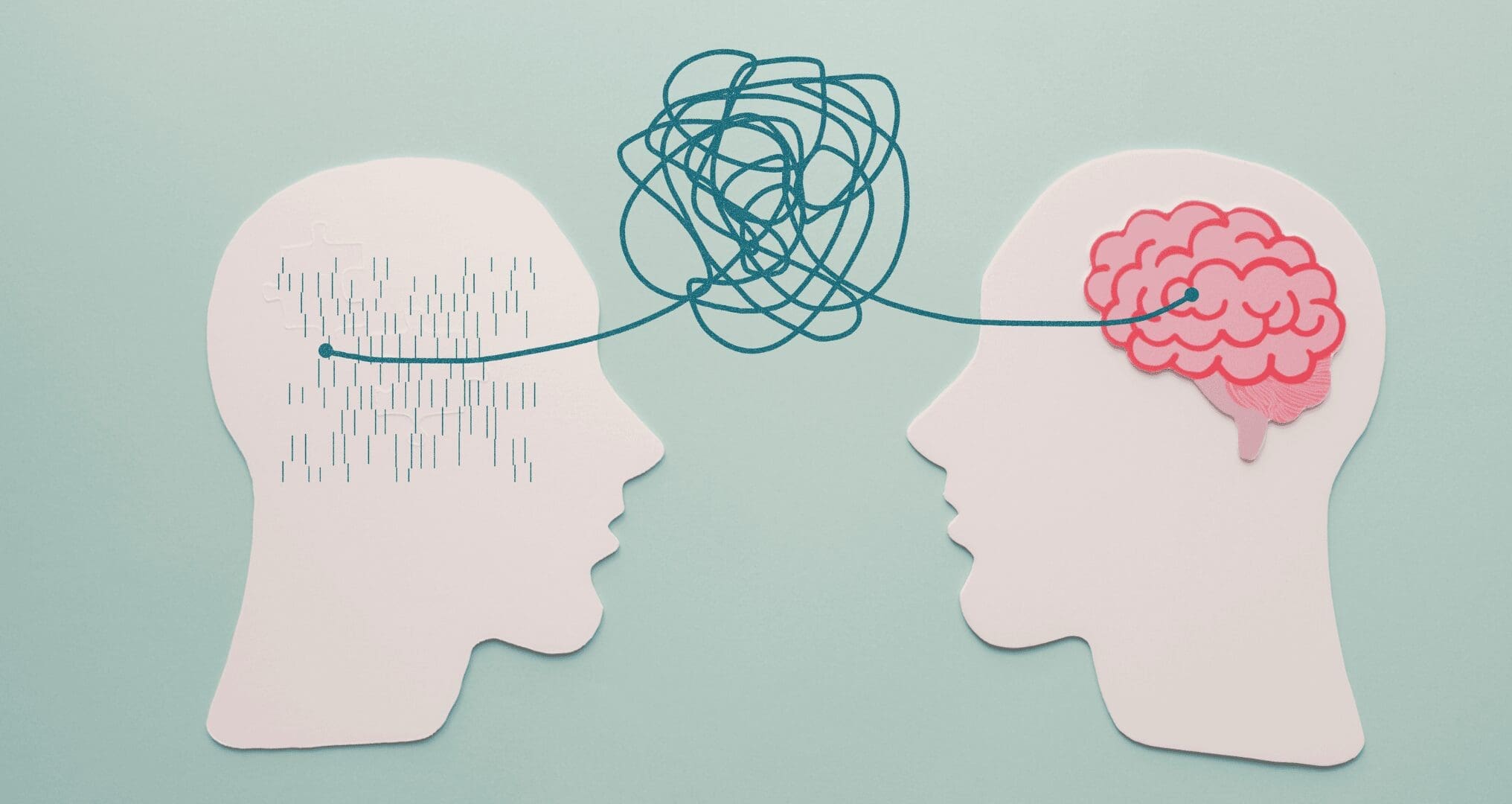
This communication pathway is called the gut–brain axis, and for many kids, it’s one of the most overlooked contributors to emotional and behavioral symptoms.
Let’s break it down in a simple, parent-friendly way.
The Gut–Brain Axis: A Two-Way Communication System
To understand why this happens, we need to look at how the gut and brain communicate. Your gut contains more than 100 million nerve cells — so many that scientists call it the second brain. It communicates with your child’s brain constantly through:
- the vagus nerve
- immune signaling
- inflammation markers
- neurotransmitter production
- gut bacteria metabolites
In fact, over 90% of the body’s serotonin (a neurotransmitter tied to mood and emotional stability) is made in the gut.
When the gut is inflamed, imbalanced, or not digesting well, those signals can disrupt the body’s ability to regulate emotions, calm the nervous system, and maintain stable attention.
Common Gut Problems That Can Affect Behavior
Many kids who struggle emotionally also deal with gut symptoms such as:
- constipation
- frequent stomachaches
- loose stools
- bloating
- food sensitivities
- picky eating or limited diets
- eczema or rashes
- being “hangry”
- unexplained fatigue
These symptoms can be signs of deeper issues like:
- gut inflammation
- candida overgrowth
- bacterial imbalance
- parasites
- digestive enzyme insufficiency
- immune activation
When the gut is irritated, kids often experience:
- more meltdowns
- higher irritability
- difficulty transitioning
- increased anxiety
- trouble focusing
- restless nights
- emotional volatility
Not because they’re misbehaving —
but because their brain cannot regulate properly under inflammatory stress.
How Gut Inflammation Shapes the Nervous System
Inflammation from the gut can activate the nervous system in ways that look like:
- hyperactivity
- panic
- emotional outbursts
- shutting down
- sensory overwhelm
Think of it like this:
A dysregulated gut can make the brain feel unsafe.
And when the body feels unsafe, it becomes harder to:
- think clearly
- focus
- remain calm
- sleep through the night
- manage frustration
This is why so many kids experience dramatic changes in emotional stability when their gut is addressed.
How We Evaluate Gut Health at Grey Matters
In our Grey’s Plan program, we use the GI-MAP stool analysis to identify:
parasites
- bacteria overgrowth
- candida
- inflammation markers
- digestive enzyme issues
- immune reactions
- gut permeability indicators
This helps us uncover WHY a child may be experiencing emotional dysregulation or behavioral challenges — not just what the symptoms look like on the surface.
Once we have the data, we can create a gut-support strategy that makes neurofeedback more effective and helps the nervous system feel safer and more balanced.
Why Gut Health Matters for Neurofeedback Success
Neurofeedback teaches the brain to self-regulate.
But if the gut is inflamed, the brain must work harder to reach and maintain regulation.
Parents often notice:
- faster neurofeedback results
- smoother emotional shifts
- more consistent behavior
- fewer meltdowns
- better sleep
…when gut issues are identified and supported alongside brain training.
That’s why gut health is a pillar of our Grey’s Plan approach.
When Should You Consider Gut Testing for Your Child?
Gut testing may be helpful if your child has:
- behavior that fluctuates dramatically
- emotional sensitivity or “big reactions”
- chronic constipation or stomach issues
- picky eating or food aversions
- eczema, rashes, or unexplained allergies
- sleep problems
- trouble focusing
- sensory challenges
- a history of antibiotic use
These symptoms often point to gut dysregulation that can quietly drive emotional or behavioral challenges.
You Don’t Have to Guess What’s Wrong — We Can Help
If you’re tired of trying different diets, supplements, or coping strategies without real answers, gut testing can be a powerful first step.
Our Grey’s Plan program includes:
- GI-MAP testing
- qEEG Brain Map
- unlimited neurofeedback
- clinical oversight
- lifestyle guidance
…all working together to support the gut–brain connection.
👉 Explore Grey’s Plan to learn how we combine gut and brain insights for transformational change.