
A concussion is a brain injury caused by an impact or a blow to the head, but it can also happen when there is a sudden change of motion that causes the brain to move inside of the skull. Sudden movement can stretch and damage brain tissue and trigger a chain of harmful changes within the brain that interfere with normal function.
A concussion isn’t visible from the outside, and you can’t see it with standard medical imaging tools. Instead, it is diagnosed by physical symptoms and abnormal brain function. Symptoms can arise immediately, or they can appear days after the initial injury. Physical symptoms following a concussion can include confusion, headache, vision disturbances, dizziness or balance problems, and nausea or vomiting. A concussion can also affect memory, judgment, reflexes, speech, balance, and muscle coordination.
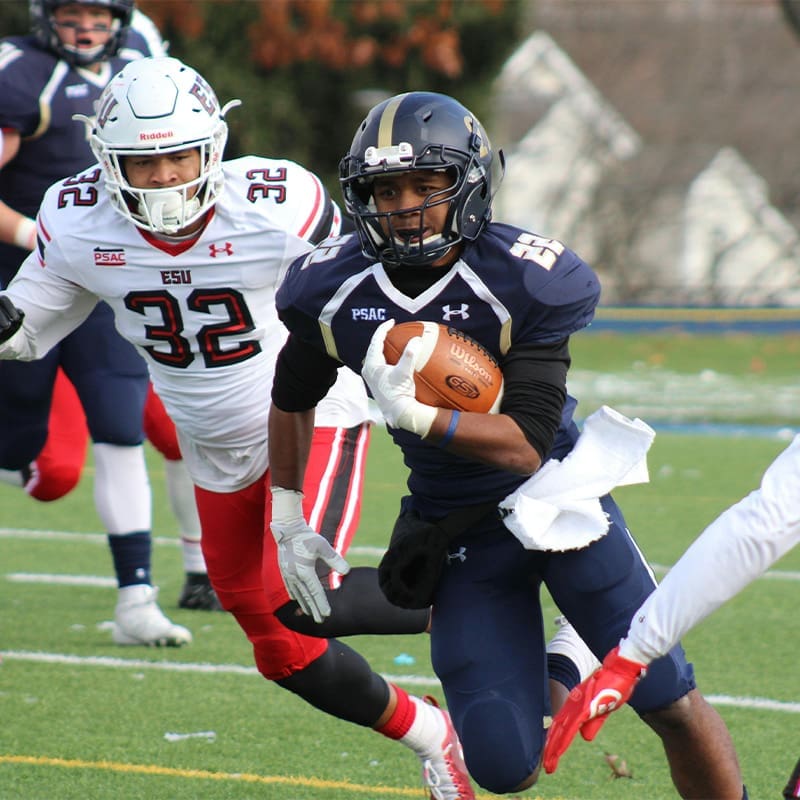
Sports are by far the leading cause of concussions. Most people understand that impact sports, such as football, hockey, soccer, and boxing can lead to concussions.
However, people can be surprised to learn that it doesn’t take much to get a concussion, you don’t have to lose consciousness, or even hit your head. Any impact that gives the brain inside the skull a good shake can cause a concussion. CDC reports show that the number of reported concussions has doubled in the last ten years.

Even mild concussions should be taken seriously. While some concussions exhibit less symptoms than others, there is no such thing as a minor concussion. While the first concussion can cause problems, the second impact can cause permanent long-term brain damage. Science has shown that repeated concussions over an extended time can result in cumulative, permanent neurological and cognitive deficits.¹
Because neurofeedback literally retrains how the brain functions, it can help a concussed brain return to healthy operation and alleviate symptoms in as little as eight weeks.²
Check out our blog to learn important things about recovering from concussion.
Frequently Asked Questions
About Concussion
We’ve gathered a list of commonly asked questions about Concussion, for your convenience. If you don’t see the information you need, please don’t hesitate to reach out to us. Simply click on the question that interests you to navigate directly to the relevant section.
A concussion disrupts the brain’s normal electrical patterns — often leaving too much slow-wave activity in some areas and too much fast-wave activity in others as the brain tries to compensate. This shows up as brain fog, headaches, sleep problems, mood changes, and sensitivity to light and sound. Neurofeedback shows the brain its own dysregulation and rewards healthier patterns, helping it reorganize and return to more efficient functioning.
For most concussions, we recommend waiting at least 2 to 4 weeks after the injury to allow initial natural recovery. If symptoms have been lingering for months or years — what is often called post-concussion syndrome — you can start anytime. There is no expiration date on when neurofeedback can help.
This is one of the most common stories we hear, and yes. MRI and CT scans show the brain’s structure, not its function. Many post-concussion symptoms come from functional disruption that imaging simply does not pick up. A qEEG brain map can reveal exactly what is going on, and neurofeedback addresses it directly.
Often, yes. Headaches are one of the most responsive concussion symptoms to neurofeedback training. A well-known case series showed an athlete’s post-concussion headaches resolved after 22 sessions of qEEG-guided neurofeedback. In our studio, reductions in headache frequency and intensity are one of the earlier changes clients notice.
Most concussion clients do 20 to 40 sessions. A single, recent concussion with mild symptoms is usually on the lower end. Multiple concussions or long-standing post-concussion syndrome tend to need more. We reassess as we go — the brain map is repeated partway through so you can see the actual electrical changes, not just guess.
It is not too late. Repeated concussions do make the brain more vulnerable to the next one, but that same vulnerability also means there is real room for improvement. We work with former athletes, military veterans, and accident survivors whose injuries were many years ago. The brain retains its ability to reorganize throughout life.
There is encouraging research and growing clinical interest in using neurofeedback after concussion, especially when symptoms continue longer than expected. While it is still not considered standard care everywhere, many clinicians and patients have found it helpful as part of a broader recovery plan.
Grey’s Plan — The Most Complete
Brain Training We Offer
If you want the most comprehensive, all-inclusive, guided solution for focus, behavior, and overall brain health—for your child or yourself, Grey’s Plan gives you everything needed to make the next 4 months the turning point.
Neurofeedback alone is powerful.
But when you combine brain training with gut testing, clinical oversight, and unlimited support, results come faster, smoother, and last longer.

1. Sahler, C. S., & Greenwald, B. D. (2011). Traumatic Brain Injury in Sports: A Review. Rehabilitation Research and Practice, 2012. https://doi.org/10.1155/2012/659652
2. Bonn, M. M., Alvarez, L., Graham, L., Thompson, J. W., & Dickey, J. P. (2021). Biofeedback as an intervention for persistent post-concussive symptoms: A randomized feasibility trial. Journal of Concussion. https://doi.org/10.1177/20597002211046459