
Collaborative Brain Health Support for the Patients You Serve

Healthcare is strongest when providers work together.

At Grey Matters, we believe patients benefit most when every member of the care team is respected, informed, and working toward the same goal: helping the individual function and feel their best.

Through Brain Mapping, neurofeedback, and our Brain + Gut approach, Grey Matters provides educational insight and supportive services that may complement the care patients are already receiving.

  • We do not replace medical care.
  • We do not replace therapy.
  • We do not diagnose through Brain Mapping.

And we do not advise patients to stop prescribed medications or discontinue established treatment. Our role is to become another thoughtful, collaborative member of the care team.


woman on the phone working
students in class

Supporting the Whole Person

Patients do not experience their health in isolated categories.

  • Attention can affect learning.
  • Anxiety can affect sleep.

  • Sleep can affect mood, memory, and emotional regulation.

Digestive health, stress, inflammation, nutrition, and nervous system function may all influence how a person feels and functions from day to day.

Many patients arrive at Grey Matters after asking questions such as:

  • Why am I still struggling even though I am doing everything I have been told to do?
  • Why does my child seem capable but unable to consistently access their skills?
  • Why do symptoms seem to overlap?
  • Why does stress affect sleep, digestion, mood, and focus all at once?
  • Is there another piece of the picture we have not yet explored?

We do not assume there is one simple answer. Instead, we help patients and families gather information, understand patterns, and consider how different areas of health may be working together.

woman falling asleep while sewing

Our Collaborative Philosophy

Grey Matters is built on the belief that complementary care should truly be complementary.

Respecting the expertise of each provider.

Encouraging patients to maintain their established healthcare relationships.

Staying within our scope.

Communicating with authorized providers when collaboration would be helpful.

Being honest about what our services can and cannot do.

Making recommendations based on the individual rather than a diagnosis alone.

We understand the trust patients place in their healthcare professionals, and we never take that relationship lightly.

Our goal is not to redirect patients away from their current care.

Our goal is to support the work already being done.

What Is Brain Mapping?

A Brain Map, also known as a quantitative electroencephalogram or qEEG, records electrical activity from different areas of the brain. The information is compared with age-based reference data to help identify patterns in brainwave activity, connectivity, timing, and regulation.
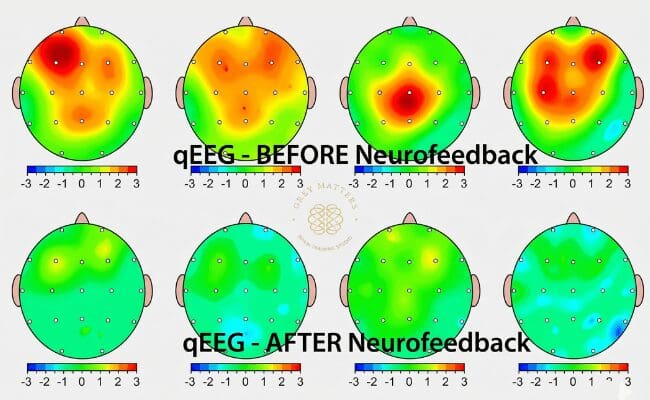
visual report of qeeg brain map before and after neurofeedback session

Brain Mapping does not diagnose ADHD, anxiety, autism, depression, trauma, or other medical or psychiatric conditions. Instead, it may provide additional educational information about how the brain appears to be functioning and help guide individualized neurofeedback planning.

When reviewing a Brain Map, we consider the data alongside:

  • The patient’s history.
  • Current symptoms and concerns.
  • Sleep patterns.
  • Medications and supplements.
  • Stress and lifestyle factors.
  • Existing diagnoses.
  • The care already being provided by other professionals.

The Brain Map is one piece of the larger picture.

What Is Neurofeedback?

Neurofeedback is a noninvasive form of brain training that uses real-time feedback to help the brain practice more efficient patterns of regulation.

During a session, sensors measure brainwave activity while the patient receives visual or auditory feedback.

The brain is not being shocked, stimulated, or controlled. Instead, the feedback allows the brain to receive information about its own activity and gradually practice more adaptive patterns.

Depending on the individual, neurofeedback may be used to support areas such as:

  • Attention and focus.
  • Emotional regulation.
  • Stress resilience.
  • Sleep.
  • Executive functioning.
  • Cognitive performance.
  • Recovery following periods of nervous system dysregulation.

Neurofeedback does not replace therapy, medication, educational services, medical treatment, or other appropriate care.

It is designed to work alongside them.
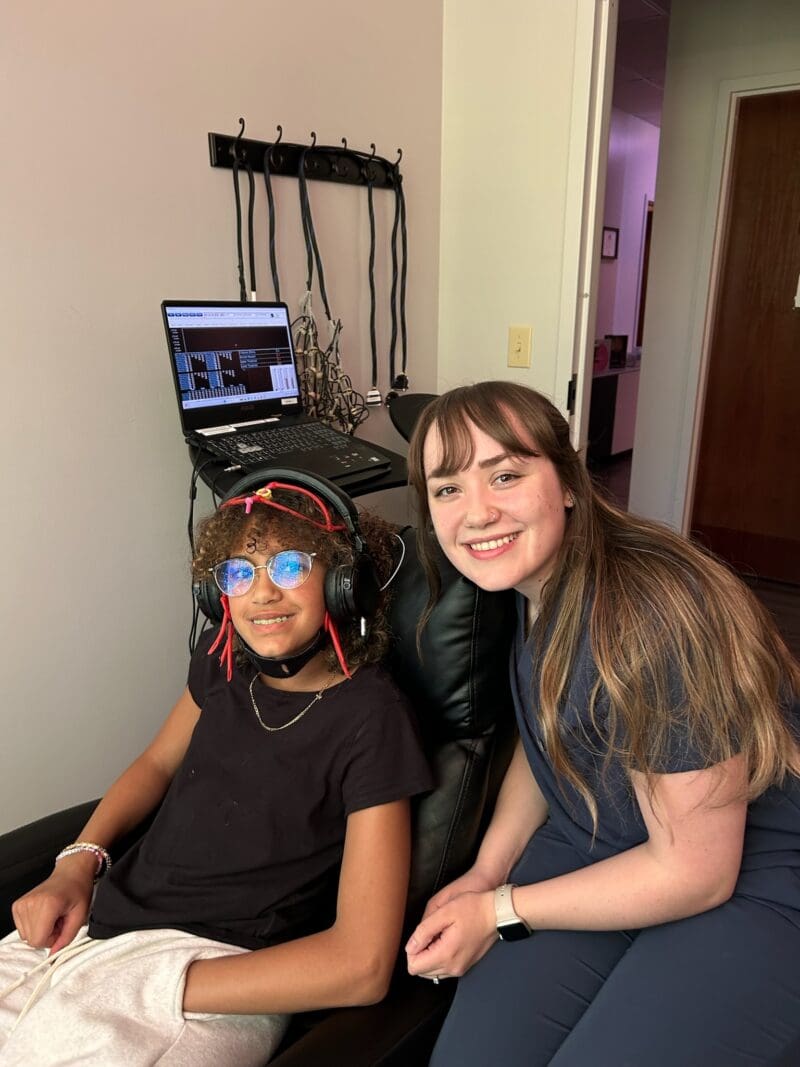
marissa and patient during neurofeedback session
Therapeutic Conversation

Our Brain + Gut Approach

Brain health is influenced by more than brainwave activity alone.
Stress, sleep, nutrition, digestion, inflammation, and the gut microbiome may all affect how a person thinks, feels, and functions.

For patients who may benefit from a broader look, Grey Matters offers a Brain + Gut approach that may include GI-MAP testing, lifestyle education, nutritional support, and collaboration with the patient’s existing healthcare providers.

We do not assume every patient needs gastrointestinal testing or nutritional intervention. We consider these tools when the patient’s history and symptoms suggest they may offer useful additional information.

Why Healthcare Professionals Partner with Grey Matters

Our professional partners appreciate that we:

We Stay in Our Scope

We’re a brain training studio, not a medical practice. We don’t diagnose, we don’t treat, and we never advise a patient to stop or change prescribed medication. We’re clear with families about what Brain Mapping and neurofeedback can and can’t do.

We Keep You in the Loop

Your patient’s care team stays informed. With authorization, we share observations, progress notes, and qEEG findings so your treatment decisions are built on more data, not less. Communication goes both ways, and we welcome it.

We Educate Before We Recommend

Families get a plain-language explanation of what we’re seeing and what the options are before anything is proposed. No pressure, no upsell, no urgency tactics. If we’re not the right fit, we’ll say so.

We Support the Care Already in Place

Our plans are individualized around the person in front of us, not the diagnostic label on their chart. We actively encourage families to continue their medical, psychiatric, therapeutic, and educational care — we’re an addition to that team, never a replacement for it.

We want referring professionals to feel confident that their patients will be treated thoughtfully, respectfully, and without pressure.

Explore Information for Your Profession

Every healthcare profession brings a different perspective to patient care.

Select your professional category below to learn more about how Grey Matters may complement the work you already do.

Therapists

Learn how Brain Mapping and neurofeedback may complement psychotherapy by supporting regulation, sleep, attention, and the nervous system while respecting the therapeutic relationship.

Pediatricians

Learn how Grey Matters supports children and families while encouraging continued pediatric care and collaboration with the child’s established providers.

Family Medicine and Primary Care

Learn how Brain Mapping, neurofeedback, and Brain + Gut services may complement whole-person care for children, adolescents, and adults.

Psychiatry and Psychiatric Mental Health Nurse Practitioners

Learn about our approach to supporting patients receiving psychiatric care, including our commitment to medication safety and prescriber collaboration.

Functional Medicine Providers

Learn how Grey Matters may complement root-cause and systems-based care through Brain Mapping, neurofeedback, and Brain + Gut education.

Chiropractors

Learn how neurofeedback and Brain Mapping may complement a broader wellness approach focused on stress, sleep, regulation, and nervous system health.

Occupational Therapists

Learn how Grey Matters may support regulation, attention, sensory processing, participation, and daily functioning without replacing occupational therapy.

Speech-Language Pathologists

Learn how neurofeedback may complement years of speech and language therapy by supporting regulation, attention, and access to previously learned skills.

ABA Providers

Learn how Grey Matters may support regulation, attention, sleep, and participation alongside skill-building and behavioral services.

Explore Information for Your Profession

Every healthcare profession brings a different perspective to patient care.

Select your professional category below to learn more about how Grey Matters may complement the work you already do.

Therapist with consoling patient
Therapists

Support for regulation, sleep, and attention — without displacing the therapeutic relationship.

Pediatricians
Pediatricians

Support for children and families, with their established providers kept in the loop.

family photo with grandparents
Family & Primary Care

Whole-person support for children, adolescents, and adults, including Brain + Gut.

Psychiatry & PMHNPs
Psychiatry & PMHNPs

Our medication-safety commitments and how we collaborate with prescribers.

Functional Medicine
Functional Medicine

Brain Mapping, neurofeedback, and Brain + Gut alongside root-cause care.

Chiropractors
Chiropractors

Nervous system, stress, and sleep support within a broader wellness approach.

Occupational Therapists

Regulation, sensory processing, and daily functioning — alongside OT, not instead of it.
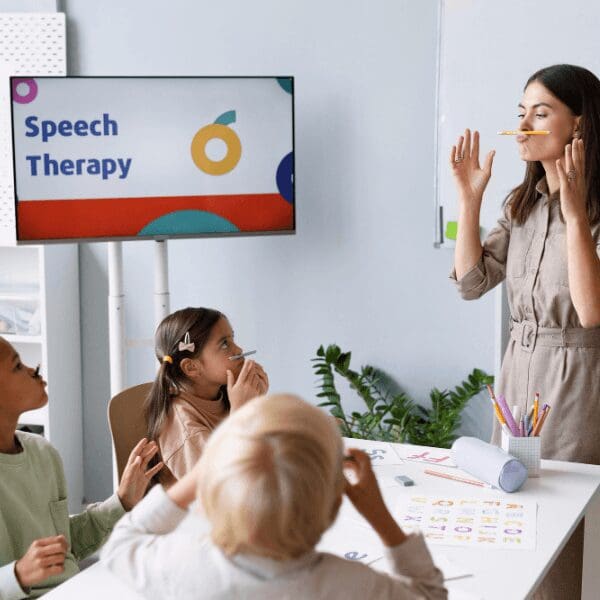
Speech-Language Pathologists

Regulation and attention support that helps patients access skills already learned.

ABA Providers
ABA Providers

Regulation, sleep, and participation support alongside skill-building services.

What Patients Experience at Grey Matters

When a patient is referred to Grey Matters, the process typically begins with education. We take time to understand:

  • Why the patient is seeking support.
  • What care is already in place.
  • What has helped.
  • What has not helped.

  • The patient’s goals.

  • Relevant medical, developmental, educational, and mental health history.

If Brain Mapping is appropriate, the patient completes a qEEG recording followed by a detailed review. During that review, we explain the findings in clear, understandable language.
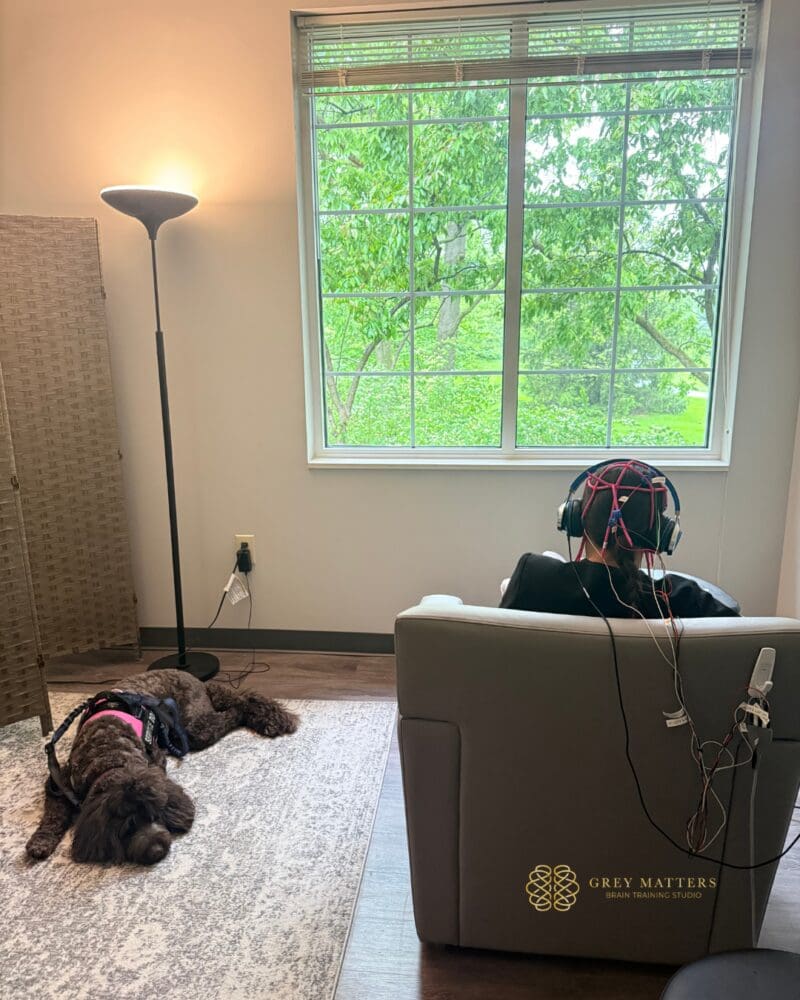
Grey Matters Studio Session ft. Macy

We then discuss whether neurofeedback or additional Brain + Gut exploration may be worth considering. There is no obligation to proceed with care. Our goal is for every patient to leave with a better understanding of the information and the options available to them.
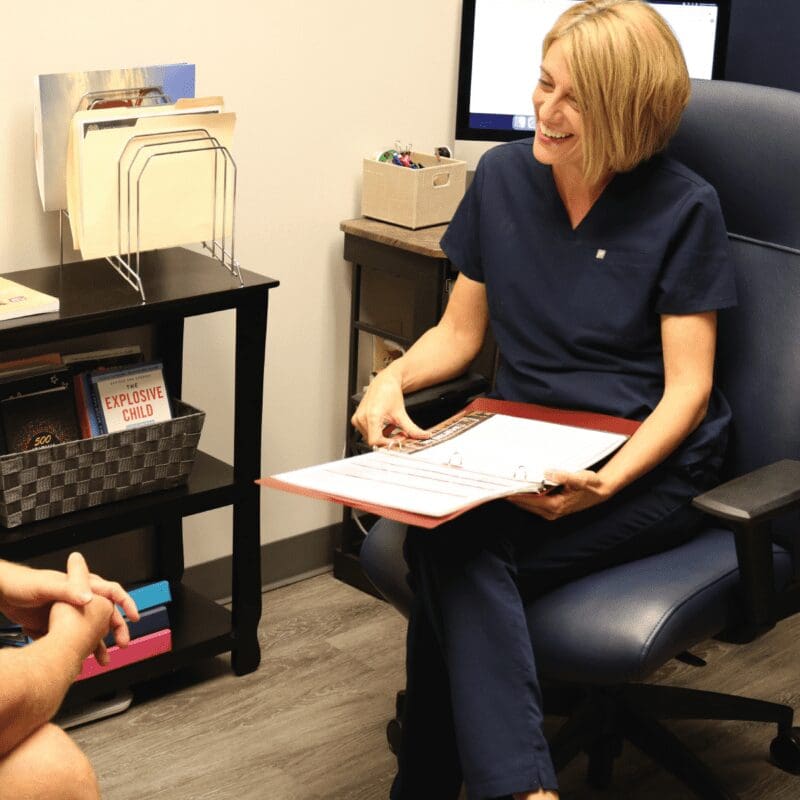
Success Coaching during Neurofeedback

Communication and Collaboration

With written patient or parent authorization, Grey Matters is happy to communicate with referring providers. Depending on the patient’s needs, collaboration may include:

We believe communication should be useful, respectful, and limited to what is relevant to the patient’s care.

  • Sharing relevant Brain Map summaries.
  • Discussing the patient’s stated goals.
  • Providing general information about the neurofeedback plan.
  • Communicating meaningful changes reported during care.

  • Coordinating around medication, sleep, therapy, or other important considerations.
  • Referring the patient back to the appropriate provider when concerns fall outside our scope.

We believe communication should be useful, respectful, and limited to what is relevant to the patient’s care.

Refer a Patient

Healthcare professionals may refer patients directly to Grey Matters or encourage them to contact our team. A formal referral is not required unless the provider or patient prefers one. When making a referral, it can be helpful to include:

  • The primary reason for the referral.
  • Relevant diagnoses or concerns.
  • Current medications.
  • Important treatment considerations.
  • Specific areas where collaboration may be useful.

We Would Love to Meet You

You do not need to refer a patient to begin a relationship with Grey Matters.

We welcome healthcare professionals who simply want to learn more.

You are invited to:

  • Tour our studio.
  • Meet our team.
  • Learn how Brain Mapping is completed.
  • Experience a professional Brain Map.

  • Ask questions about neurofeedback.
  • Explore opportunities for collaboration
  • Request educational materials for your office.

No sales presentation. No obligation. Just an open conversation about brain health and the patients we collectively serve.
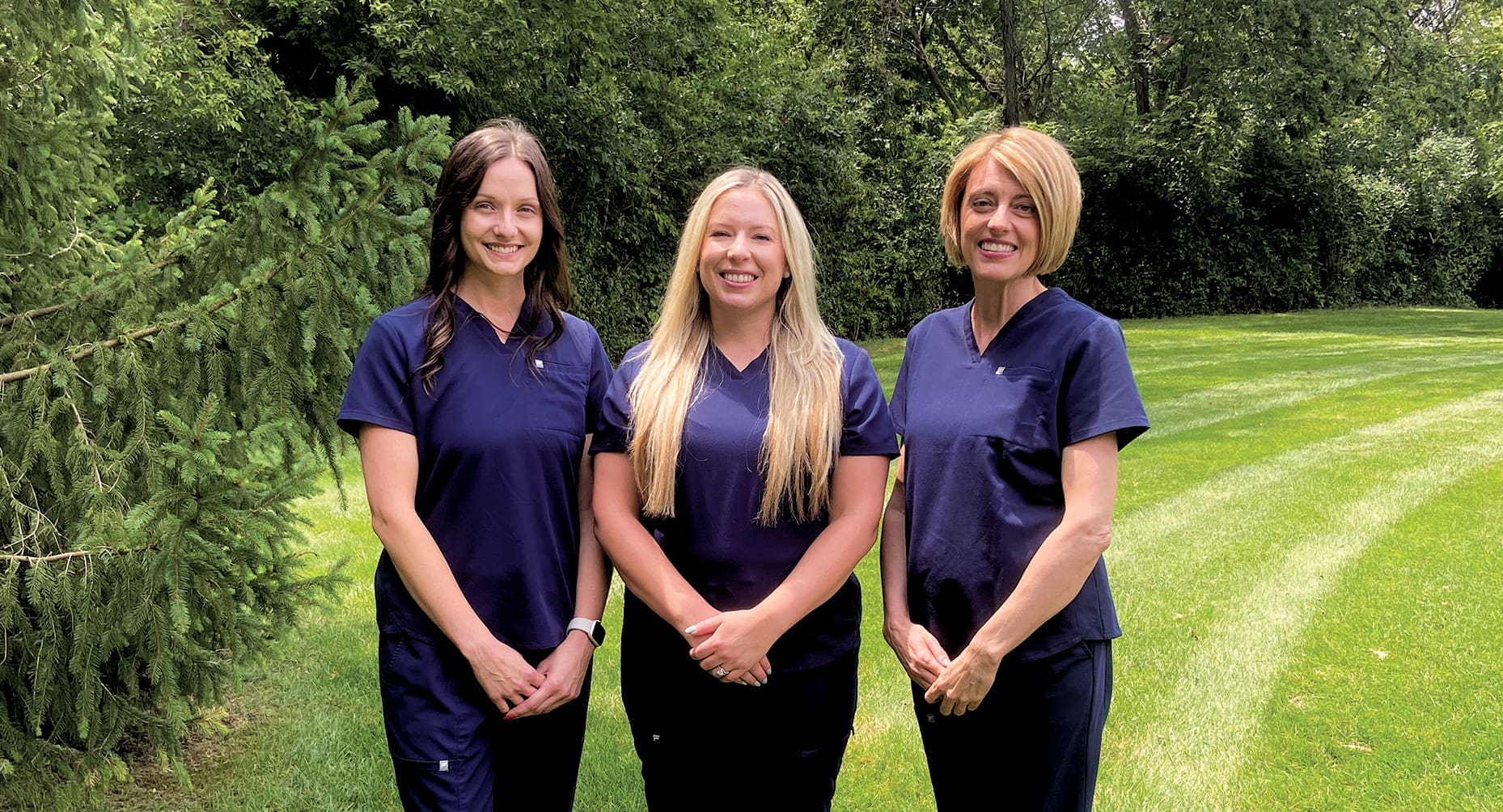
Grey-Matters-Staff-Outside-2024

Questions We Often Hear from Healthcare Professionals

No. Brain Mapping is educational and does not replace medical, psychiatric, psychological, developmental, or educational evaluation.
No. Neurofeedback does not replace prescribed medication. Medication decisions remain between the patient and the prescribing clinician.
No. We encourage patients to maintain relationships with their existing providers and continue appropriate care.
With appropriate written authorization, relevant Brain Map information may be shared with authorized healthcare providers.
Yes, when our services are appropriate and can be provided safely. We review each patient individually and may request collaboration or medical clearance when needed.
No. We begin with education and individualized review. If neurofeedback does not appear appropriate, we will say so.

Thank You for the
Care You Provide

Healthcare professionals carry an enormous responsibility.

You listen.

You evaluate.

You guide difficult decisions.

You support patients through uncertainty, setbacks, and change.

Thank you for the trust you build and the care you provide every day.

If Grey Matters can become a helpful resource for you or the patients you serve, we would be honored to work alongside you.